
Robotic Hysterectomy in India
Compare hospitals, specialists and costs for robotic hysterectomy — and get a personalised quote from Medworld India within 24–48 hours.
- Available at
- 6 hospitals
Overview
Robotic Hysterectomy: Advanced, Minimally Invasive Uterus Removal Surgery
What Is a Robotic Hysterectomy?
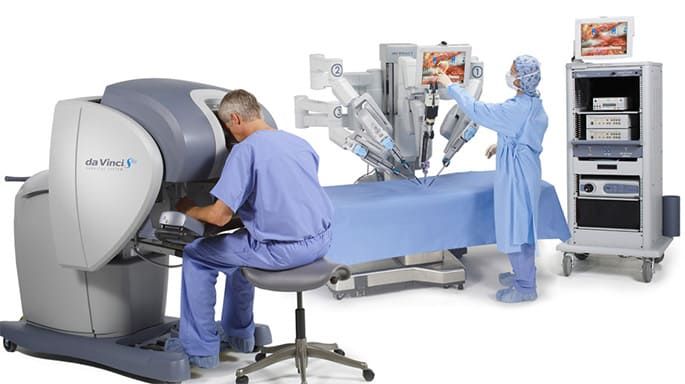
Robotic Hysterectomy which is a small incision surgical procedure to remove the uterus through state-of-art robotic surgical system done by practicing gynaecologic surgeon. The robotic display place provides improved precision, greater flexibility, and a high-definition 3D view of the surgical field, allowing compound gynaecological procedures to be performed through small incisions.
When compared to traditional open surgery, robotic hysterectomy is connected with less pain, minimal blood loss, smaller scars, and a quicker recovery for the daily activities.
When Is Robotic Hysterectomy Recommended?
Doctors recommend Robotic Hysterectomy only if the patient have following conditions:
- Large or multiple uterine fibroids
- Endometriosis
- Adenomyosis
- Abnormal uterine bleeding
- Uterine prolapse
- Chronic pelvic pain
- Pre-cancerous conditions of the uterus or cervix
- Early-stage gynaecologic cancers, including:
- Endometrial cancer
- Cervical cancer
- Selected ovarian cancers
The procedure is advantageous for women who are looking for precise surgery due to complex anatomy or any previous abdominal surgeries.
Conditions Treated with Robotic Hysterectomy
- Uterine fibroids
- Endometriosis
- Adenomyosis
- Heavy menstrual bleeding
- Pelvic organ prolapses
- Chronic pelvic infections
- Endometrial hyperplasia
- Endometrial cancer
- Cervical cancer
- Selected ovarian tumors
Types of Robotic Hysterectomy
As per the patient’s medical health, surgeon will perform the surgery such as:
Total Robotic Hysterectomy
In this surgery patient’s uterus and cervix are removed completely.
Supracervical (Partial) Robotic Hysterectomy
During this surgery only the upper portion of uterus is removed while the cervix is preserved.
Radical Robotic Hysterectomy
Generally, for cancer treatment this surgery is performed where uterus, cervix surrounding tissues and part of vagina is removed.
Robotic Hysterectomy with Bilateral Salpingo-Oophorectomy
Through this surgery patients both fallopian tubes along with uterus is removed whenever medically it is necessary.
Advantages of Robotic Hysterectomy
Smaller Incisions
Tiny keyhole incisions diminish tissue trauma and improve cosmetic outcomes.
Less Blood Loss
Improved precision helps minimize bleeding during surgery.
Reduced Pain
Smaller incisions generally result in less postoperative distress.
Lower Risk of Infection
Minimally invasive techniques reduce wound-related complications.
Faster Recovery
Many patients return home within 24–48 hours and resume normal activities sooner than with open surgery.
Minimal Scarring
Small incisions leave less visible scars.
Greater Surgical Precision
The robotic system filters hand tremors and provides precise instrument movements for gentle procedures.
Better Visualization
High-definition 3D magnified imaging allows surgeons to clearly identify important anatomical structures.
How Robotic Hysterectomy Is Performed
- General anaesthesia is administered.
- Four to five small incisions are made in the abdomen.
- Robotic surgical instruments and a high-definition camera are inserted in the body.
- The surgeon controls the robotic arms from the console table with exceptional precision.
- The uterus is carefully detached while preserving surrounding organs whenever possible.
- The uterus is removed through the vagina or via a small abdominal incision.
- The incisions are closed with sutures.
The procedure generally takes between 2 and 4 hours, depending on the complexity of the case.
Recovery After Robotic Hysterectomy
Most patients experience a smoother recovery compared to open surgery.
Typical recovery includes:
- Hospital stay of 1–2 days
- Walking within hours after surgery
- Return to light daily activities within 1–2 weeks
- Return to work in approximately 2–4 weeks
- Complete healing in about 6 weeks
Recovery time may vary depending on the patient's health and the extent of surgery.
Who Is a Good Candidate?
You may be a suitable candidate if you:
- Require hysterectomy for a benign or malignant gynaecologic condition
- Are medically fit for minimally invasive surgery
- Have large fibroids or severe endometriosis
- Wish to minimize postoperative pain and recovery time
- Prefer smaller incisions and better cosmetic results
A thorough evaluation by a gynaecologic surgeon is necessary to determine the best treatment option.
Why Choose Robotic Surgery?
Robotic-assisted surgery combines advanced technology with surgical expertise to offer:
- Enhanced precision
- Better preservation of healthy tissue
- Reduced complications
- Faster recovery
- Improved patient comfort
- Excellent clinical outcomes for both benign and cancerous gynaecologic conditions
Hospitals offering robotic hysterectomy






Get a personalised quote for robotic hysterectomy
Share your reports — no cost, no obligation, reply within 24–48 hours.