
Bone Marrow Transplant in India
Compare hospitals, specialists and costs for bone marrow transplant — and get a personalised quote from Medworld India within 24–48 hours.
- Available at
- 6 hospitals
Overview
What Is a Bone Marrow Transplant?
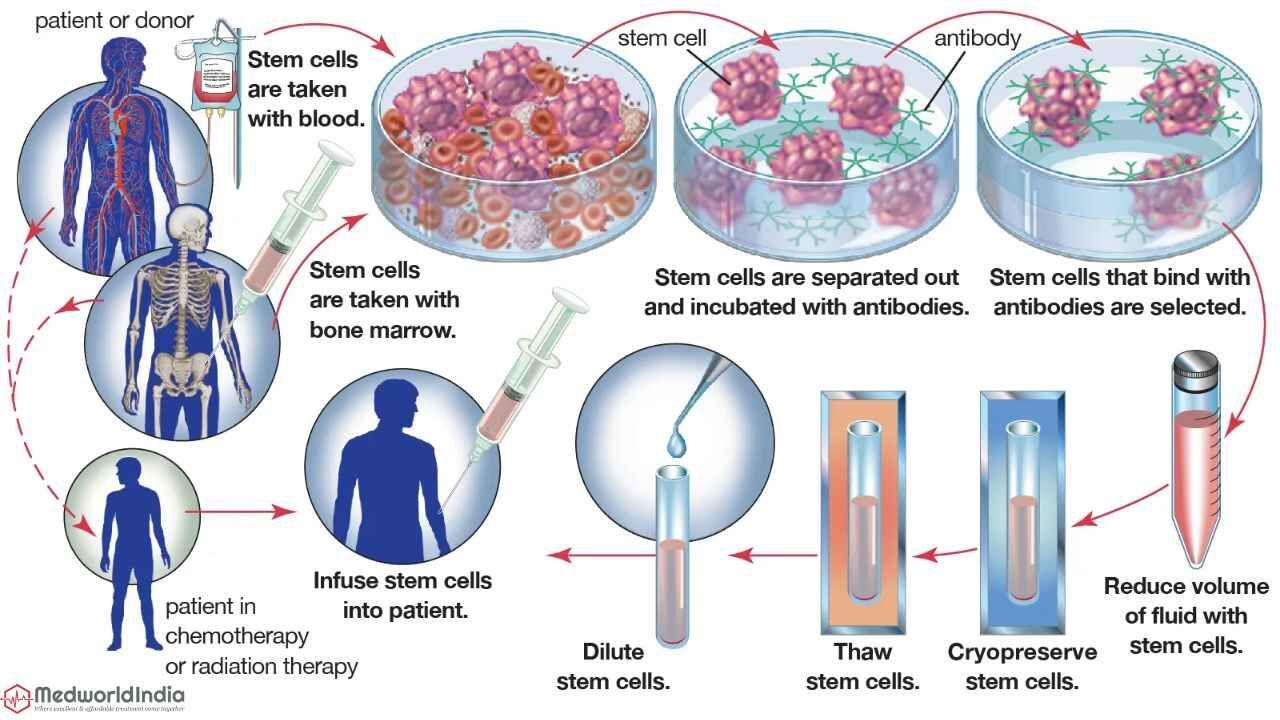
Bone marrow is the soft, spongy tissue found inside your bones where blood cells are produced. When marrow is damaged by disease, chemotherapy, or radiation, it can no longer make enough healthy blood cells. A bone marrow transplant replaces the unhealthy marrow with healthy stem cells, which then travel to the bone marrow and begin producing normal blood cells again.
Types of Bone Marrow Transplants
- Autologous Transplant Uses the patient's own stem cells, collected and stored before high-dose chemotherapy or radiation, then reinfused afterward.
- Allogeneic Transplant Uses stem cells from a matched donor — often a sibling, unrelated donor, or umbilical cord blood — to replace unhealthy marrow with donor-derived healthy cells.
- Haploidentical (Half-Matched) Transplant Uses stem cells from a partially matched family member, expanding transplant options for patients without a fully matched donor.
Conditions We Treat
- Leukemia (acute and chronic)
- Lymphoma (Hodgkin and non-Hodgkin)
- Multiple myeloma
- Aplastic anemia
- Myelodysplastic syndromes (MDS)
- Sickle cell disease
- Thalassemia
- Certain inherited immune and metabolic disorders
The Transplant Journey
1. Evaluation and Planning
Our team conducts a comprehensive assessment, including blood tests, imaging, organ function tests, and donor matching (if applicable), to determine the best treatment approach for you.
2. Conditioning Therapy
Before transplant, patients undergo chemotherapy and/or radiation to destroy diseased cells and prepare the body to accept new stem cells.
3. Stem Cell Infusion
Healthy stem cells — from the patient or a donor — are infused into the bloodstream through a central line, much like a blood transfusion.
4. Engraftment and Recovery
Over the following weeks, the new stem cells travel to the bone marrow and begin producing healthy blood cells. Patients are closely monitored for infection, and blood counts are tracked daily.
5. Long-Term Follow-Up
Recovery continues for months after discharge. Our team provides ongoing monitoring, supportive care, and guidance to help patients return to daily life safely.
Why Choose Our Transplant Program
- Experienced Multidisciplinary Team — Hematologists, oncologists, transplant surgeons, nurses, and social workers collaborate on every case.
- Advanced Donor Matching — Access to national and international donor registries and cord blood banks.
- Comprehensive Supportive Care — Nutrition support, infection prevention, psychological counseling, and rehabilitation services.
- Personalized Treatment Plans — Every patient's protocol is tailored to their diagnosis, health status, and donor availability.
- Dedicated Transplant Unit — Specialized, infection-controlled inpatient facilities designed for transplant recovery.
Risks and Considerations
Like any major medical procedure, bone marrow transplant carries risks, including infection, graft-versus-host disease (in allogeneic transplants), and organ complications. Our team works closely with each patient to explain risks, set realistic expectations, and provide close monitoring throughout treatment to minimize complications.
Hospitals offering bone marrow transplant






Specialists for bone marrow transplant
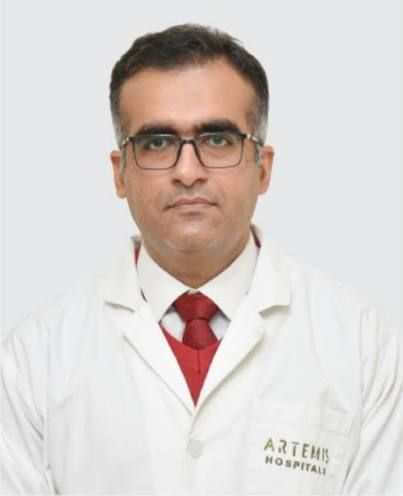 DR. GAURAV DIXITHead – Haematology Oncology & Bone Marrow Transplant (Unit II)
 DR. RAHUL NAITHANIChief - Hematology, Oncology & Bone Marrow Transplant
 Dr. Nitin SoodSenior Director Medical Oncology Bone Marrow Transplant
 Dr. Rahul BhargavaPrincipal Director & Chief – Hematology, Hemato-Oncology & Bone Marrow Transplant, Fortis Memorial Research Institute (FMRI), Gurgaon
 Dr. Ashok Kumar VaidChairman – Medical Oncology, Hematology & Stem Cell Transplant, Medanta Cancer Institute
Frequently asked questions
1. What is a Bone Marrow Transplant?+
A Bone Marrow Transplant (BMT) is a medical procedure in which damaged or diseased bone marrow is replaced with healthy stem cells from a donor or the patient’s own body. It is used to treat conditions like leukaemia, lymphoma, and other blood disorders.
2. Who needs a Bone Marrow Transplant?+
Patients with diseases affecting the bone marrow, such as:
- Leukaemia
- Lymphoma
- Aplastic Anaemia
- Multiple Myeloma
- Genetic disorders (e.g., Thalassemia, Sickle Cell Disease)
3. What are the types of Bone Marrow Transplants?+
- Autologous BMT – Patient’s own stem cells are used.
- Allogeneic BMT – Stem cells are taken from a matched donor (sibling, parent, or unrelated donor).
- Haploidentical BMT – Partially matched donor, usually a family member.
- Umbilical Cord Blood Transplant – Stem cells are collected from umbilical cord blood.
4. How is a donor matched for BMT?+
A donor is matched based on Human Leukocyte Antigen (HLA) typing. A close HLA match reduces the risk of rejection and complications.
5. What are the risks and complications of a BMT?+
- Infection risk due to a weakened immune system
- Graft-versus-Host Disease (GVHD) (in allogeneic BMT)
- Organ damage
- Bleeding and anaemia
- Fatigue and long recovery time
6. How long does the BMT procedure take?+
The entire process, including pre-transplant tests, chemotherapy, transplant, and post-transplant monitoring, can take several weeks to months.
7. What is the recovery time after a Bone Marrow Transplant?+
Recovery varies, but most patients require 3 to 6 months for the immune system to start functioning properly and up to a year or more for full recovery.
8. What is Graft-versus-Host Disease (GVHD)?+
GVHD occurs when transplanted donor cells attack the patient’s body. Symptoms include skin rash, diarrhoea, liver problems, and inflammation. It is managed with immunosuppressive medications.
9. What precautions should be taken after a BMT?+
- Avoid crowded places and infections.
- Follow a strict hygiene routine.
- Eat a healthy, immune-boosting diet.
- Regular follow-up with the doctor.
10. What is the success rate of a Bone Marrow Transplant?+
Success rates vary based on disease type, patient condition, and donor match. In general, survival rates range from 50% to 90%, depending on individual factors.
Get a personalised quote for bone marrow transplant
Share your reports — no cost, no obligation, reply within 24–48 hours.